Rounded 3D: A Fresh Take on Modern Typography
First Impressions and Visual Personality
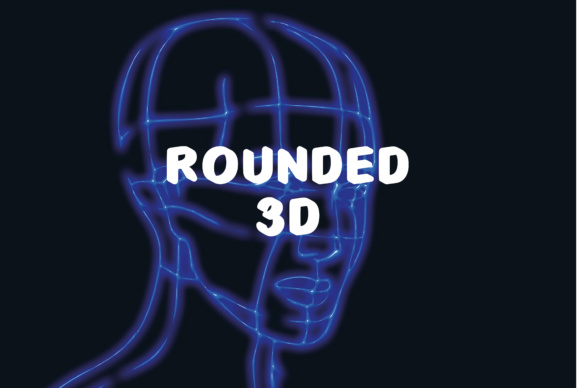
When I first laid eyes on Rounded 3D, it immediately struck me as a font with a bold, playful, and inviting personality. The rounded edges and three-dimensional effect give it a tactile, almost sculptural quality that can make any design feel more dynamic and engaging.
A Font for Creative Projects
Rounded 3D is a premium font that naturally fits into projects where you want to add a touch of modernity and fun. It's perfect for logo design, brand identity, and packaging design where a strong, memorable visual presence is key. The font's unique style makes it a standout choice for product labels, posters, and flyers that need to grab attention.
Performance in Real-World Design
In real-world applications, Rounded 3D performs exceptionally well. For invitations and merchandise, its playful yet sophisticated look can set the right tone for events and products. In website headers and blog graphics, it adds a modern, eye-catching element that can help draw readers in. For social media graphics and digital ads, the font's distinctive appearance can help your content stand out in a crowded feed.
Where to Use Rounded 3D Carefully
While Rounded 3D is versatile, it's best used in moderation. It shines in large headlines, short phrases, and decorative accents. Using it for premium packaging or social posts can create a high-end, luxurious feel. However, it's not ideal for long blocks of text or body copy, as the 3D effect can become overwhelming and reduce readability.
Readability and Hierarchy
One of the main considerations when using Rounded 3D is readability. While it's highly legible in large sizes, it can be challenging to read in smaller sizes. Always test it in black and white and at different scales to ensure it remains clear and accessible. For hierarchy, use it sparingly and pair it with more traditional sans serif or serif fonts to maintain balance and clarity.
Brand Consistency and Audience Trust
Consistency is crucial in building brand trust. Rounded 3D can help establish a strong, recognizable visual mood that aligns with a brand's identity. However, it's important to use it consistently across all platforms, from printable designs to digital products. This consistency helps in reinforcing the brand's message and creating a cohesive, professional image.
Practical Designer Notes
- Test in Black and White: Ensure the font works well without color, which is essential for various print and digital applications.
- Check Small-Size Readability: Verify that the font remains legible in smaller sizes, especially for product labels and other small-format designs.
- Real Mockups: See how the font looks in actual design mockups to get a better sense of its impact and fit.
- Uppercase and Lowercase: Compare both cases to see which works best for your specific project. Uppercase can add a bold, impactful look, while lowercase can provide a more approachable, friendly feel.
- Spacing and Kerning: Adjust the spacing and kerning to ensure the text flows smoothly and is easy to read.
- Font Pairing: Experiment with pairing Rounded 3D with sans serif, serif, script, and manual fonts to find the best combination for your design.
- Commercial Licensing: Always check the commercial licensing before using the font in client or business projects to avoid any legal issues.
Final Thoughts
Rounded 3D is a creative and versatile display font that can add a unique, modern touch to a wide range of design projects. By using it thoughtfully and considering its strengths and limitations, you can create designs that are both visually appealing and effective. Whether you're working on a brand identity, editorial design, or social media graphics, Rounded 3D can be a valuable addition to your design toolkit.